

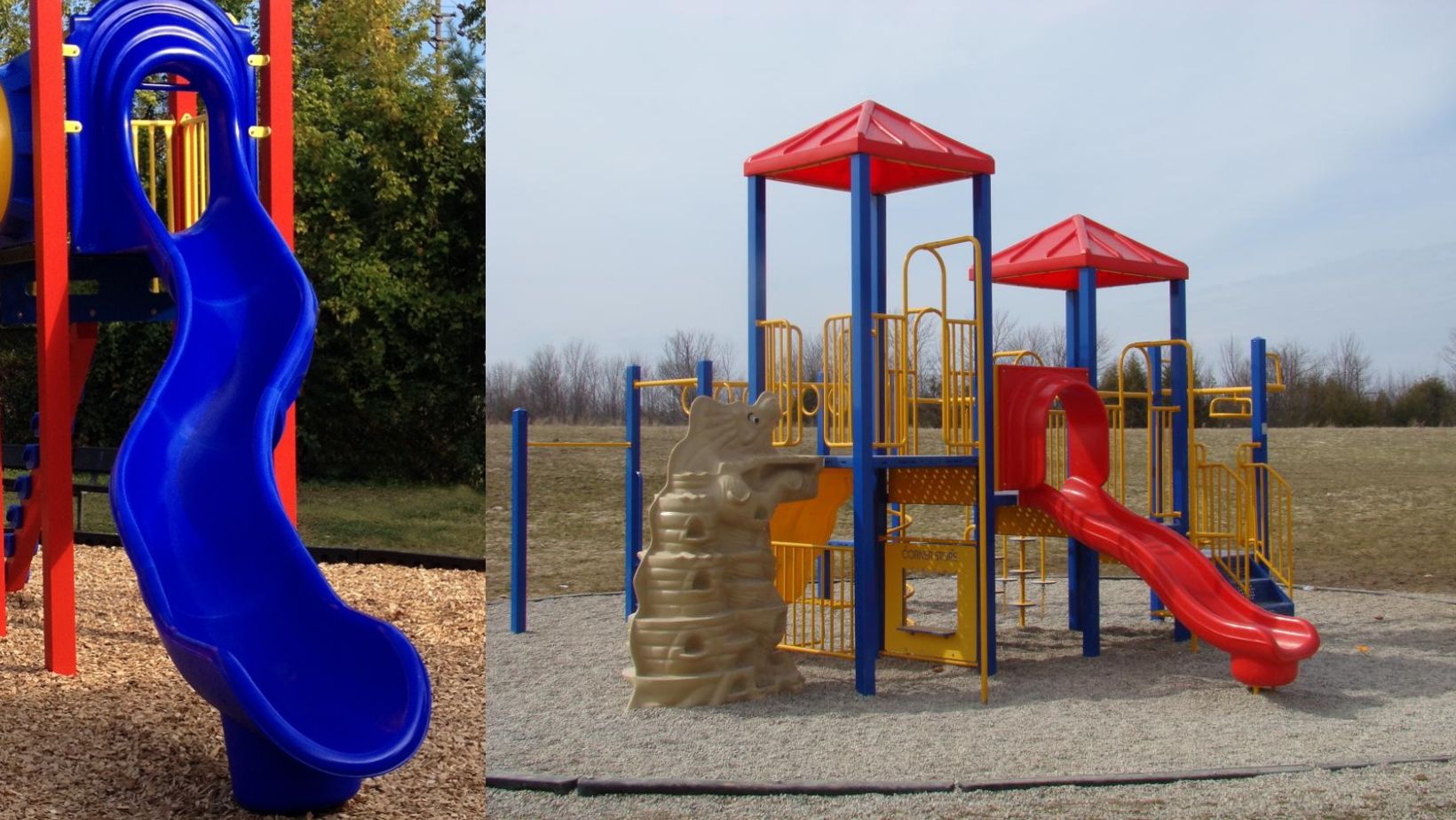
 A great playground doesn’t stay great on its own. It stays that way because it’s looked after. Sun, rain, snow, and constant use all take a toll over time, and without regular attention, even the best setup can start to show wear.
The good news is that keeping outdoor playground equipment in good condition year round doesn’t have to be complicated. With a simple routine, a bit of seasonal awareness, and a clear understanding of when it’s time to repair or replace, you can keep your space safe, inviting, and ready for play every day of the year.
Why Regular Playground Maintenance Matters
Playgrounds are high-traffic spaces. Kids climb, slide, jump, and explore every part of the structure, often in ways that test its limits. That’s part of the fun—but it also means equipment needs to hold up under constant use.
Regular maintenance helps you:
- Keep play areas safe and reduce risks
- Extend the lifespan of your equipment
- Avoid expensive repairs by catching small issues early
- Maintain a clean, welcoming environment for families
When maintenance becomes part of your routine, your playground stays reliable instead of becoming a project you have to fix all at once later.
Year Round Maintenance Tips for Outdoor Playground Equipment
Taking care of your outdoor playground equipment doesn’t require a full overhaul every time. It’s about staying consistent and adjusting your approach with the seasons.
Routine Inspections
Start with regular visual checks. Walk through the playground and look at it the way a child might interact with it.
Pay close attention to:
- High-use areas like slides and climbers
- Connection points, bolts, and fasteners
- Surfaces that show signs of wear or stress
You’re not just looking for major damage. Small cracks, loose parts, or worn edges are often early signs that something needs attention.
Cleaning and Surface Care
A clean playground is a safer playground. Dirt, debris, and buildup can affect both appearance and performance.
Keep things in good shape by:
- Clearing leaves, sand, and debris regularly
- Washing surfaces with mild soap and water
- Checking for buildup in corners or shaded areas
This doesn’t need to be time-consuming. Even a quick clean can make a noticeable difference.
Seasonal Maintenance Makes a Big Difference
Each season brings its own challenges, so it helps to adjust your maintenance routine throughout the year.
Spring
After winter, it’s time to check for any damage caused by cold weather and moisture.
Focus on:
- Cracks or stress from freeze-thaw cycles
- Loose fasteners or shifting components
- Areas where water may have pooled or caused wear
This is also the best time for a deep clean to reset your playground for the busy months ahead.
Summer
Summer is peak playground season, which means more traffic and more wear on your equipment.
Focus on:
- High-use areas that see constant climbing, sliding, and movement
- Connection points and fasteners that may loosen with frequent use
- Early signs of wear on surfaces that get the most contact
Regular quick checks during busy periods go a long way in keeping everything in good working condition.
Fall
As leaves start to fall, maintenance shifts toward preparation.
Make sure to:
- Remove organic debris that can trap moisture
- Check drainage around the playground
- Address small repairs before winter arrives
A little effort in the fall can prevent bigger issues later.
Winter
Cold weather doesn’t mean you can ignore your playground completely.
Keep an eye on:
- Ice buildup that can create slippery surfaces
- Moisture that may freeze and expand
- Areas where materials may become stressed
If conditions become unsafe, it’s always best to limit use until things improve.
Signs Your Playground Equipment May Be Too Worn to Maintain
Even with the best maintenance routine, there comes a point where repairs aren’t enough. Knowing when you’ve reached that point is key to keeping your playground safe and functional.
Structural Issues
If you notice:
- Warping or instability
- Cracks in key components
- Loose connections that won’t stay secure
These are signs the structure may no longer be reliable.
Surface Wear
Over time, surfaces can break down in ways that affect both safety and usability.
Watch for:
- Fading or brittleness
- Rough or uneven areas
- Visible wear on high-contact features
When materials start to degrade, they can become less comfortable—and less safe—for play.
Rising Maintenance Costs
If you’re constantly fixing something, it may be time to step back and look at the bigger picture.
Frequent repairs can:
- Add up quickly in cost
- Take time away from other priorities
- Still leave you with equipment that isn’t performing well
At a certain point, replacing becomes the more practical option.
Ongoing Safety Concerns
If issues keep coming back or new ones keep appearing, it’s a sign that the equipment may no longer meet current expectations.
Playgrounds should feel safe and dependable. If that’s not the case, it’s worth considering a change.
When It Makes Sense to Replace Instead of Repair
Deciding to replace part or all of your playground isn’t always easy, but it can open the door to new possibilities.
Replacement often makes sense when:
- Repairs are becoming frequent and costly
- The layout no longer fits how the space is used
- You want to improve accessibility or play value
- Existing materials are no longer holding up
It’s not just about fixing what’s broken. It’s an opportunity to upgrade your space and create something that works better for everyone.
Why Plastic Playground Equipment Is a Smart Upgrade
When it’s time to replace aging structures, plastic playground equipment offers a practical and long-lasting solution.
Built for Durability
Plastic components are designed to handle real-world conditions. They resist cracking, chipping, and moisture damage, making them a reliable choice in a wide range of climates.
Low Maintenance
Compared to other materials, plastic is easier to care for. It doesn’t require refinishing or constant upkeep, which means less time spent on maintenance and more time focused on play.
Colour That Lasts
One of the standout features of plastic playground equipment is how well it holds its appearance. UV-stabilized colour runs throughout the material, helping it stay vibrant even with regular sun exposure.
Flexible Design Options
Plastic allows for a wide variety of shapes and configurations. Whether you’re adding new features or redesigning a full space, there’s room to get creative.
Features like plastic slides and climbers can be integrated into different layouts, giving you flexibility as your playground evolves.
Long Term Value
Because it lasts longer and requires less upkeep, plastic can offer better value over time. Fewer repairs and replacements mean fewer interruptions and more consistent use.
Making the Transition to New Equipment
If you’re thinking about replacing your playground, you don’t have to do everything at once.
Start by:
- Evaluating your current layout
- Identifying the areas that need attention first
- Planning upgrades in phases if needed
Working with a manufacturer can also help you make smart choices that fit your space and your goals.
Keep Your Playground Working for You
Staying on top of maintenance helps extend the life of your outdoor playground equipment, but it also gives you a clear view of when it’s time to move on. When repairs start adding up or performance begins to drop, upgrading can make a noticeable difference.
That’s where SPI Plastics comes in.
We design and manufacture plastic playground equipment built for durability, flexibility, and long-term use. Whether you’re replacing a single feature or planning a full upgrade, our team will help you choose the right components for your space.
Looking to match your existing setup? You can even select colours that blend seamlessly with what you already have, creating a cohesive and updated look.
If your playground is ready for the next step, contact SPI Plastics today to learn more about upgrading with equipment designed to last.